
The Nature of Luck in Gaming
Luck plays a critical role in the world of gaming, especially in casinos. For many players, the very essence of engaging in games like slots, poker, or roulette hinges on the unpredictable nature of luck. Unlike skills-based games, which rely on strategy and expertise, many casino games are designed to be chance-driven, leaving the outcome to fate. This reliance on luck can create a thrilling atmosphere, enhancing both the excitement and anticipation of each game, especially as players explore various options, including betting apps that offer unique experiences. It is this element of unpredictability that keeps players returning, as they hope each session will be the one where fortune smiles upon them.
The concept of luck is deeply embedded in the culture of casinos. Gamblers often enter a casino with a mindset that luck will favor them, hoping for that one lucky spin or card that could change their fortunes significantly. This psychological aspect adds to the allure of gambling, enticing new and seasoned players alike. Many people carry lucky charms, wear specific outfits, or invoke rituals in hopes that these actions will sway luck in their favor—adding a personal touch to the abstract nature of luck. Such behaviors highlight how deeply intertwined belief in luck is with the gambling experience, transforming a simple game into a personal journey of hope and aspiration.
Moreover, studies have shown that belief in luck can influence actual performance in games. While the math behind games is fixed and cannot be changed by belief, the confidence and excitement that come from feeling lucky can enhance a player’s experience and lead to more enjoyable gameplay. This phenomenon is often referred to as the «placebo effect» in gambling, where the belief in luck positively affects players’ attitudes and behaviors, thus impacting their overall gaming experience. In essence, the very act of believing that luck is on their side can create a more immersive and enjoyable experience, potentially leading to longer play sessions and a more profound emotional investment in the outcome of the games.
How Luck Affects Emotional Responses
The element of luck significantly influences the emotional responses of players during their gaming experience. When players experience winning streaks, those moments are often accompanied by feelings of euphoria and exhilaration. The rush of winning encourages players to stay engaged, as they dream of future wins, which can lead to a cycle of continuous play. The highs of fortune can create lasting memories, often overshadowing the inevitable lows experienced during losses. This emotional rollercoaster is a defining characteristic of the casino experience, where the contrast between winning and losing is stark and impactful.
Conversely, bad luck can evoke frustration and disappointment, affecting a player’s mood and subsequent decisions. When players lose multiple times in succession, they may experience anxiety about their financial situation or feel disheartened by their lack of success. This emotional turbulence can lead to impulsive decisions, like increasing bet sizes in an attempt to recover losses, further exacerbating the situation. Such highs and lows make casinos unique environments, where one’s experience can swing dramatically based on the arbitrary nature of luck, showcasing the psychological stakes involved in gaming.

Interestingly, this emotional aspect can also drive players to engage in riskier behavior. Players often try to chase their losses, believing that their luck is bound to change. This phenomenon is well-documented in gambling psychology and can lead to problematic behavior if not managed properly. Understanding the emotional impact of luck on decision-making is crucial for players who wish to maintain a healthy relationship with gambling. By recognizing the emotional triggers associated with wins and losses, players can develop strategies to manage their experiences, ensuring that they approach gaming with a balanced mindset.
Strategies to Navigate Luck in Casinos
While luck is often seen as an uncontrollable factor in casino games, players can implement strategies to navigate their experiences more effectively. For instance, setting strict budgets before playing can help manage the impact of luck on finances. By determining in advance how much to spend, players can engage in games without the stress of excessive losses, allowing them to enjoy the process more fully. Emphasizing enjoyment over winning can create a healthier mindset towards gaming, making it a source of entertainment rather than a financial burden.
Additionally, understanding the odds of various games can help players make informed choices that align with their comfort levels. For instance, some games like craps or blackjack have more favorable odds for players than others like slot machines. By selecting games with better odds, players can optimize their experience, understanding that while luck remains a variable, they can leverage knowledge to enhance their gaming strategies. This informed approach allows players to engage with the games in a way that maximizes their enjoyment while minimizing the emotional strain associated with bad luck.
Lastly, it’s beneficial for players to recognize when luck may not be working in their favor. Practicing self-control and knowing when to take a break can help mitigate the effects of bad luck. Casinos often foster an environment of continuous play, but understanding the value of stepping away can lead to more sustainable gambling habits. By taking breaks, players can return with a fresh perspective, reducing the stress and frustration that often accompanies prolonged losing streaks. This balance is key to ensuring that the experience remains fun rather than frustrating, allowing players to appreciate the thrill of the game regardless of the outcome.
The Role of Casino Design in Facilitating Luck
Casinos are designed to enhance the feeling of luck through various elements, from lighting to soundscapes. The ambiance of a casino is meticulously curated to evoke excitement and engagement, drawing players to games with the promises of instant rewards. The flashing lights and celebratory sounds accompanying wins create an environment where players feel like luck is always just around the corner, further blurring the line between chance and design. This sensory overload not only captures attention but also reinforces the belief that luck is an essential part of the experience.
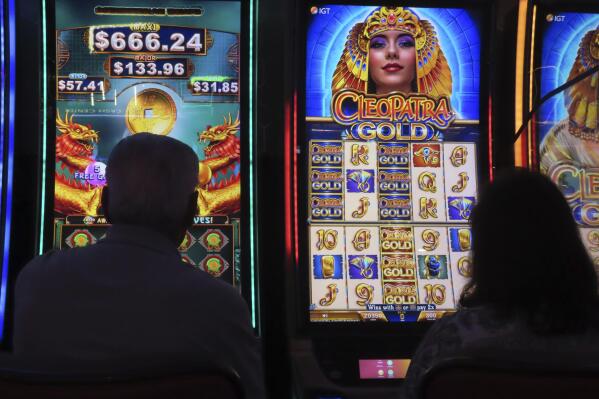
The layout of casino floors is strategically organized to maximize foot traffic and maintain player interest. High-stakes games often occupy prominent areas, signifying their allure and potential for big wins. By strategically positioning games, casinos aim to create a perception of opportunities for luck to strike at any moment. This design encourages players to explore the different offerings and experience the thrill of chance in various settings. The architecture and flow of the casino are crafted to keep players engaged, making them more likely to stay longer and contribute to the vibrant atmosphere.
Furthermore, promotional events often capitalize on the idea of luck, such as lucky draws or giveaways, which can create buzz and excitement. These promotions not only enhance the player experience but also draw in crowds, reinforcing the notion that luck is part of the casino experience. By creating a sense of community and shared excitement around the idea of luck, casinos can foster a loyal clientele, eager to return for more opportunities to win. Ultimately, the interplay between design and the idea of luck creates a dynamic space where players are continually encouraged to believe in their potential to win.
Exploring More on Gaming and Luck
For those interested in delving deeper into the relationship between luck and gambling, various resources are available online. Numerous platforms provide insights into gambling strategies, psychological aspects of gaming, and the interplay between luck and skill. Engaging with these resources can enhance players’ understanding and improve their experiences in casinos. By expanding their knowledge, players can approach gaming with a more informed mindset, making their experiences more enjoyable and potentially more successful.
Moreover, online forums and communities offer opportunities for sharing experiences and strategies among players. Connecting with others can provide fresh perspectives on the impact of luck, helping individuals to build a more rounded understanding of their interactions with games of chance. The sharing of stories and strategies fosters a sense of belonging and can help mitigate feelings of isolation that may arise during gambling. Engaging with a community can also provide support and encouragement, essential elements for maintaining a healthy approach to gaming.
As players navigate their casino experiences, staying informed about the nuances of luck and gambling can lead to more enjoyable and responsible gaming practices. Emphasizing the importance of education in gambling ensures that players can balance fun and finance while keeping the thrilling relationship with luck intact. The journey through the world of casinos is not just about winning or losing; it’s about understanding the underlying dynamics of chance and skill, and how they coalesce to create unforgettable experiences.
